

Spraybooth Requirements and Spraybooth Certification. Essential Information for Automotive Professionals.
If you’re considering installing a spray booth for your business, you maybe wondering if you really need one and what are the regulations?
Spray booths are essential for many businesses that perform spray painting or coating activities, as they help control hazardous fumes, reduce fire risks, and improve overall safety and quality.
Spray booth certification is a crucial process that ensures your booth meets safety and environmental standards. It typically involves an inspection by qualified professionals who assess factors like ventilation, filtration, and fire protection systems. Certification demonstrates your commitment to compliance and worker safety, and may be required by law in some areas.
While DIY options exist, professional installation often provides better assurance of compliance and performance. Remember, a properly certified spray booth not only protects your workers and the environment, but can also enhance your business’s reputation and efficiency.

Understanding Spray Booths
Spray booths play a crucial role in many industries, providing controlled environments for painting and coating applications. These enclosed spaces offer safety, efficiency, and quality control benefits.
Purpose and Use
Spray booths serve multiple purposes in various sectors. They create a clean, confined area for applying paints, coatings, and finishes to products or surfaces. This controlled environment helps prevent contaminants from affecting the finish quality and they are commonly used in smash repair shops, manufacturing facilities, and woodworking industries.
They protect workers by containing potentially harmful fumes and overspray. Proper ventilation systems in spray booths help maintain air quality and reduce fire risks.
Different Types
Spray booths come in several types, each designed for specific applications and space requirements.
- Open-face booths feature three walls and a ceiling, with an open front for easy access. They’re suitable for smaller objects and spaces with good general ventilation.
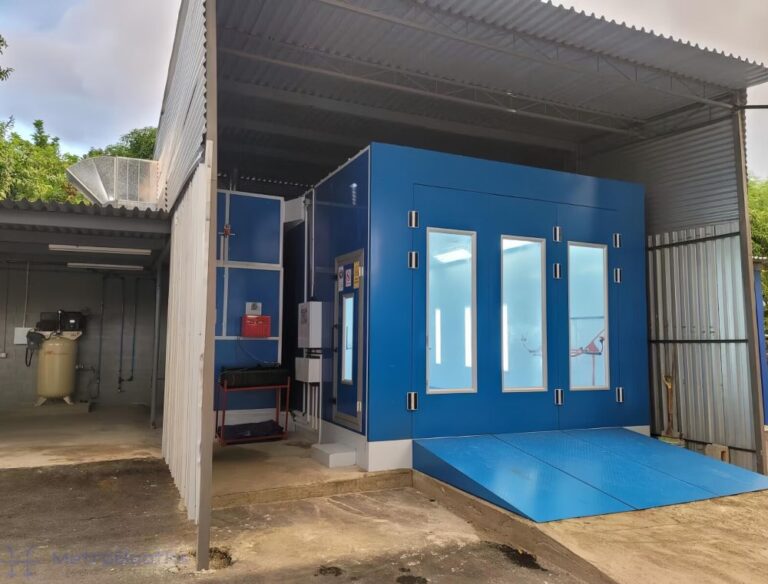
- Enclosed booths provide a fully sealed environment, offering superior containment of overspray and fumes. These are ideal for larger items or when stricter environmental controls are needed.
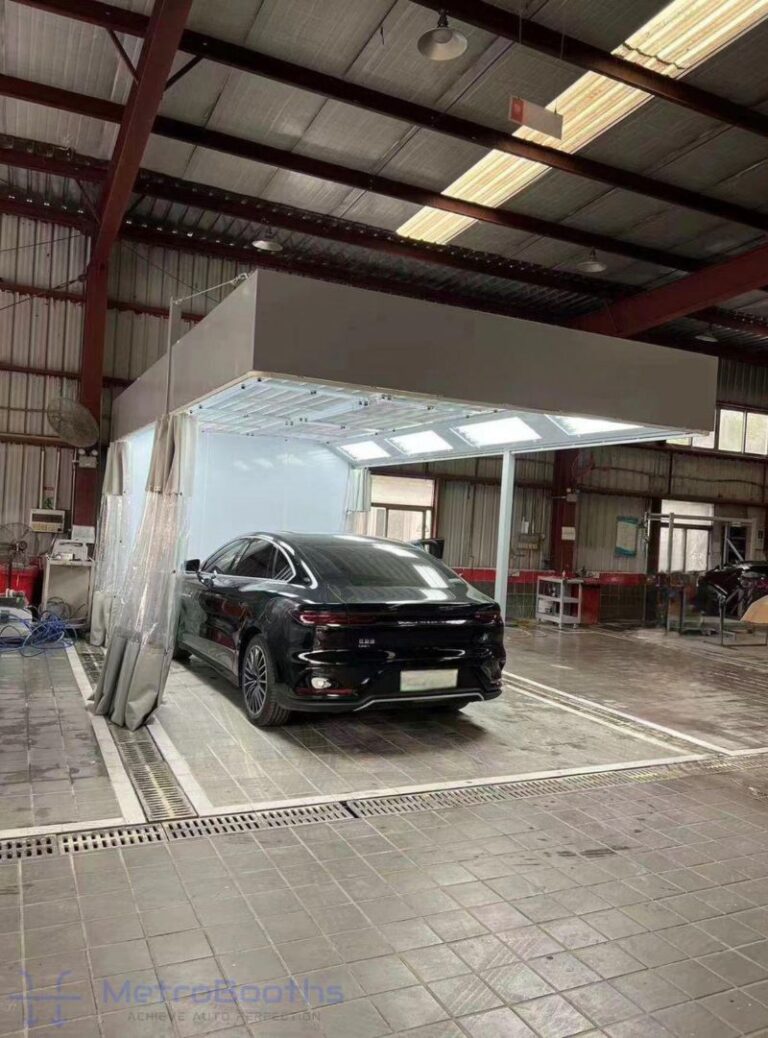
- Downdraft booths draw air downward, away from the painted surface, resulting in excellent finish quality. They’re popular in automotive refinishing.
- Side-draft booths move air horizontally across the work area, making them suitable for a wide range of applications.
You can also choose between dry filter and water wash booths, depending on your filtration needs and local regulations.

Installation Requirements
Proper installation of a spray booth is critical for safety, efficiency, and compliance. Key considerations include choosing an appropriate location and preparing the site carefully.
Site Selection
When selecting a site for your spray booth, ensure adequate space for the booth itself and surrounding work areas. Choose a location away from other operations to minimise contamination risks. The site should have proper ventilation and access to utilities like electricity and compressed air.
Check local zoning laws and building codes to confirm the chosen location is suitable.
Consider future expansion needs when planning the layout. Ensure easy access for maintenance and emergency services.
Spraybooth Safety Considerations
Installing proper fire suppression systems as required by local council .
And you will have to ensure the floor can support the booth’s weight and is level for proper airflow.
Hiring an electrician will be required to install correct lighting, hooking up the fans as well as making sure your switchboard is correctly configured.
Plan for safe storage of paints and solvents nearby. Set up washing facilities for workers. Arrange for proper disposal of waste materials and used filters. Train all staff on safety procedures and emergency protocols before operating the new spray booth.
Spray Booth Certification
Spray booth certification ensures compliance with safety standards and regulations. It verifies that your booth meets operational requirements and provides a safe working environment.
Importance of Certification
Certification is crucial for legal operation and workplace safety. It confirms your spray booth adheres to Australian standards, including AS/NZS 4114.1:2020. Certified booths minimise health risks from paint fumes and overspray.
Certification also helps protect your business from potential legal issues. It demonstrates due diligence in maintaining a safe work environment. Insurance companies often require certification for coverage.
Regular audits are part of maintaining certification. These checks ensure your booth continues to meet standards over time. They can identify potential issues before they become serious problems.
Certification Process
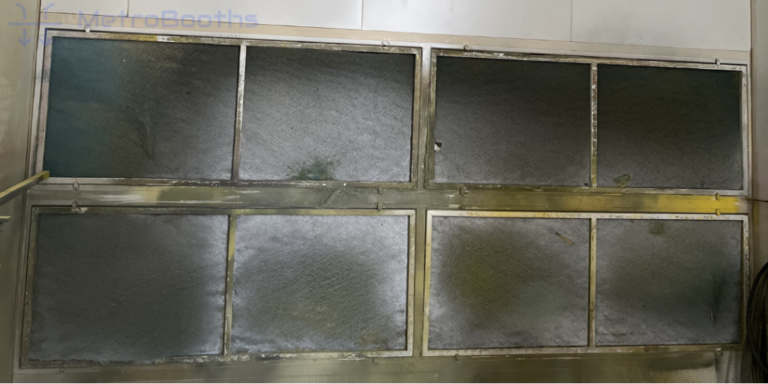
To obtain certification, your spray booth must undergo inspection by a qualified professional. They’ll assess various aspects, including ventilation systems, filtration, and overall construction.
The inspector will check air flow rates, ensuring they meet the minimum requirement of 0.3 metres/second for full downdraught booths. They’ll also examine exhaust capture and filtration systems.
After passing inspection, you’ll receive a certificate of compliance. This document should be displayed near your spray booth. Remember to schedule regular re-certifications to maintain compliance.
Get in Touch With The MetroBooth Team
Frequently Asked Questions
Spray booth regulations and requirements in Australia involve several key areas, from standards compliance to environmental protection and local planning permissions. Understanding these aspects is crucial for proper installation and operation.
What are the current regulations for operating a spray booth in Australia?
Spray booth operators in Australia must comply with Work Health and Safety regulations. This includes proper ventilation systems, fire safety measures, and personal protective equipment for workers. Regular maintenance and safety inspections are mandatory.
How does the AS/NZS 4114.1 standard apply to spray painting booths?
AS/NZS 4114.1 sets design and construction standards for spray booths. It specifies requirements for airflow, filtration systems, and safety features. Compliance with this standard ensures your spray booth meets national safety and performance criteria.
What are the environmental protection requirements for spray painting activities?
Environmental regulations focus on controlling volatile organic compound (VOC) emissions. You must use appropriate filtration systems and low-VOC paints. Proper disposal of waste materials and containment of overspray are also essential to meet environmental standards.
What are the legal requirements for installing a spray booth in a residential area?
Installing a spray booth in a residential area typically requires council approval. You’ll need to demonstrate compliance with noise regulations, emissions control, and fire safety standards. Zoning laws may restrict or prohibit commercial spray painting activities in residential zones.
How do I obtain certification for a spray booth to ensure it’s approved for use?
To certify your spray booth, engage a qualified inspector or engineer. They’ll assess compliance with AS/NZS 4114.1 and other relevant standards. The certification process includes checking ventilation systems, electrical safety, and fire protection measures.
Is it mandatory to have planning permission before setting up a spray booth?
Yes, planning permission is generally required before setting up a spray booth. Contact your local council to determine specific requirements. You’ll likely need to submit detailed plans, environmental impact assessments, and proof of compliance with relevant regulations.
Get A Free Quote
Contact us for a free, no-obligation quote on your Spray Booth needs.